About HTSBT

About the Temple

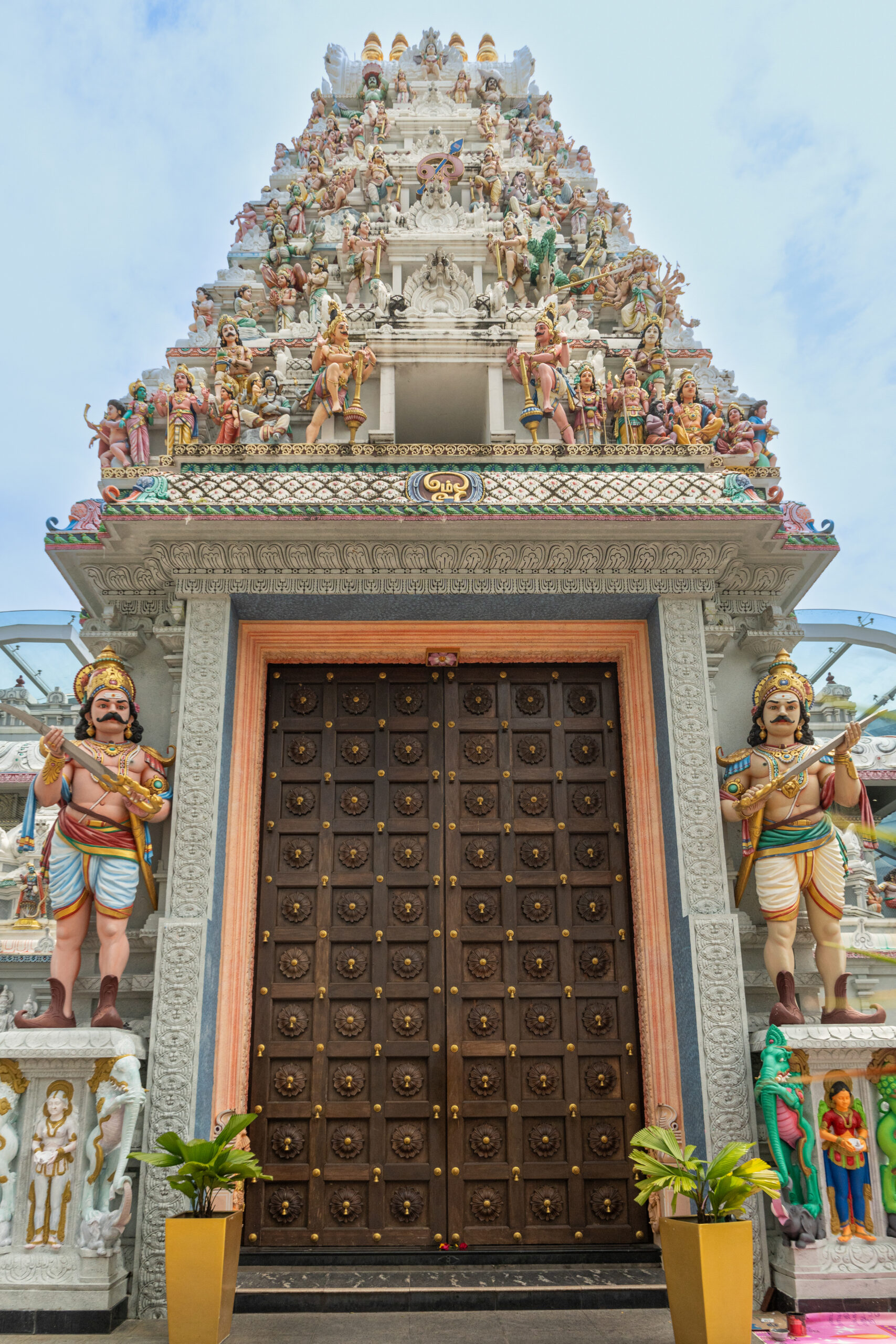
The Holy Tree Sri Balasubramaniar Temple, has since its inception in 1962, been a place of worship for Hindus in Singapore, particularly those living around Sembawang and Yishun.

The Temple has been at its present site since 1996.

While the core role of the Temple is to provide for the spiritual needs of our devotees, a significant priority is also to reach out and serve the needs of all who live in the vicinity.

Over the years, the Temple has made significant contributions to the promotion of Indian arts and culture, conducting bhajans, Bharathanatyam classes, Yoga, Meditation, and Thevaaram classes. The Temple has also organized many social engagement projects, specifically to address the needs of the less privileged.

Mr P. Karupiah, a worker at the British Royal Navy Dockyard, dreamt of Lord Murugan and a golden cobra seated below a specific elanthamaram tree in the mangrove area located west of Canberra Road. The next day, on the auspicious day on Pongal, Mr Karupiah headed to the particular tree and created a simple altar. Significantly, the tree had six branches symbolising its link to Lord Murugan, also known as Aarumugam or Shanmugam (six-faced)

1962

The temple was officially registered, and the building of the temple was initiated. The Commodore of the Royal Navy and the Superintendent of the HMN Dockyard supported the project by contributing building materials and supporting the logistic needs.

1964

The Temple celebrated its first Panguni Uthiram with 6 milk pots bearers.

1967

The temple celebrated its first Kumbhabhishegam (consecration) in March 1971

1971

With Mr Subhas Anandan - a young lawyer - being elected as the new president of the temple and a younger generation of people leading the temple management, it marked the beginning of a new phase in the temple development. The Temple expanded its scope to serve the socio-cultural needs of the community by organizing cultural activities.

1973

Mr E. Narainsamy was elected as the Temple president, and his focus was on restructuring and renovating the Temple. Temple architects and builders from India were engaged to renovate the temple.

1976

The 2nd Kumbhabhishegam was held in November

1977

The Temple shifted its premises from Canberra Road to its present location at Yishun Industrial Park A. The construction of the new temple was completed at a cost of $3.5 million.

1996

The 3rd Kumbhabhishegam was held on 29 August.

1999

Over time, the Temple building faced many infrastructural issues. As such, the building was demolished in April 2015 after the Balasthapanam ceremony was conducted earlier in the year. In August 2015, the building of the new temple began.

2015

The Multi-purpose hall was opened in November

2016

The 4th Kumbhabhishegam was held on 11 February

2018

Temple Deities

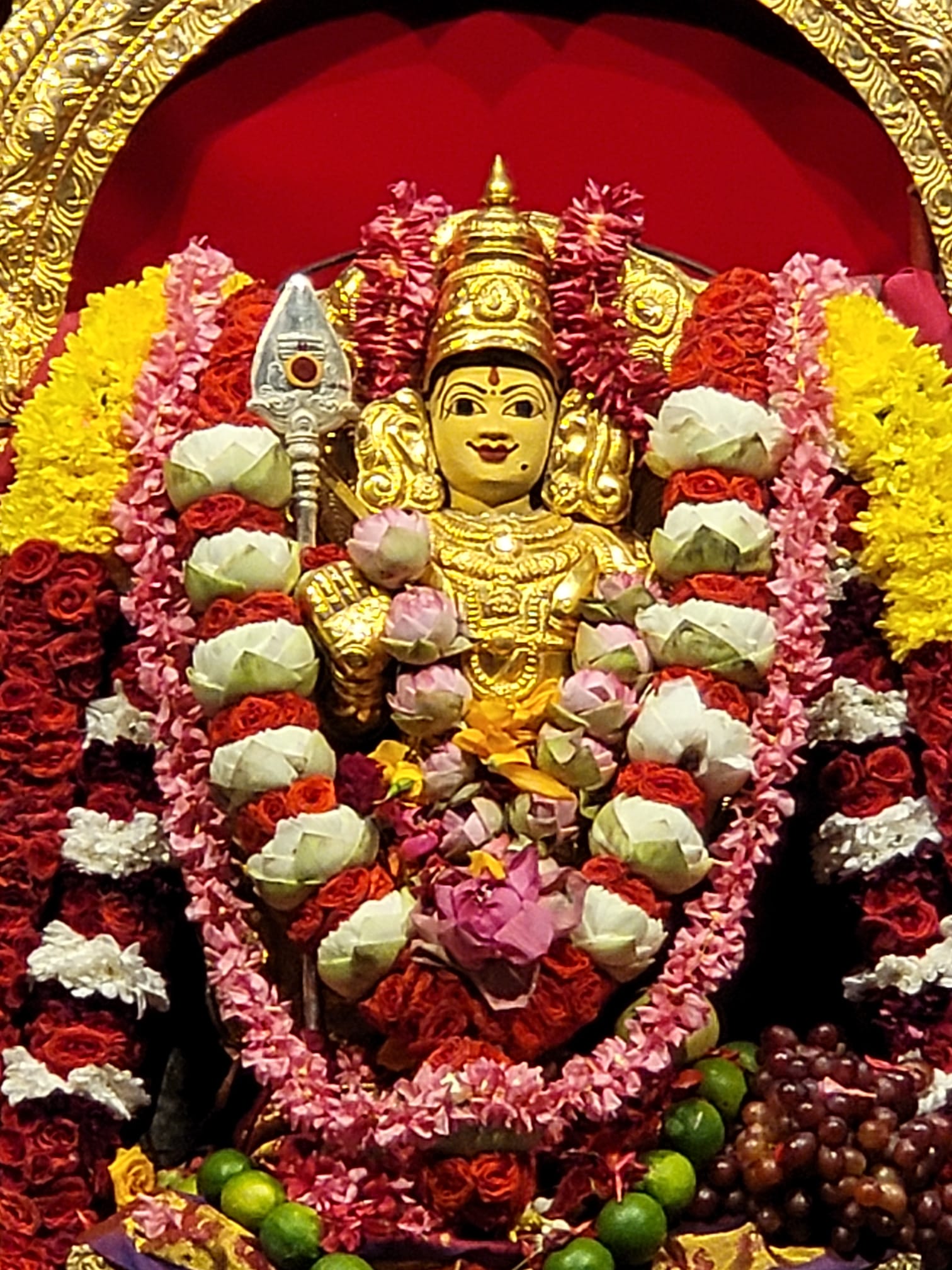
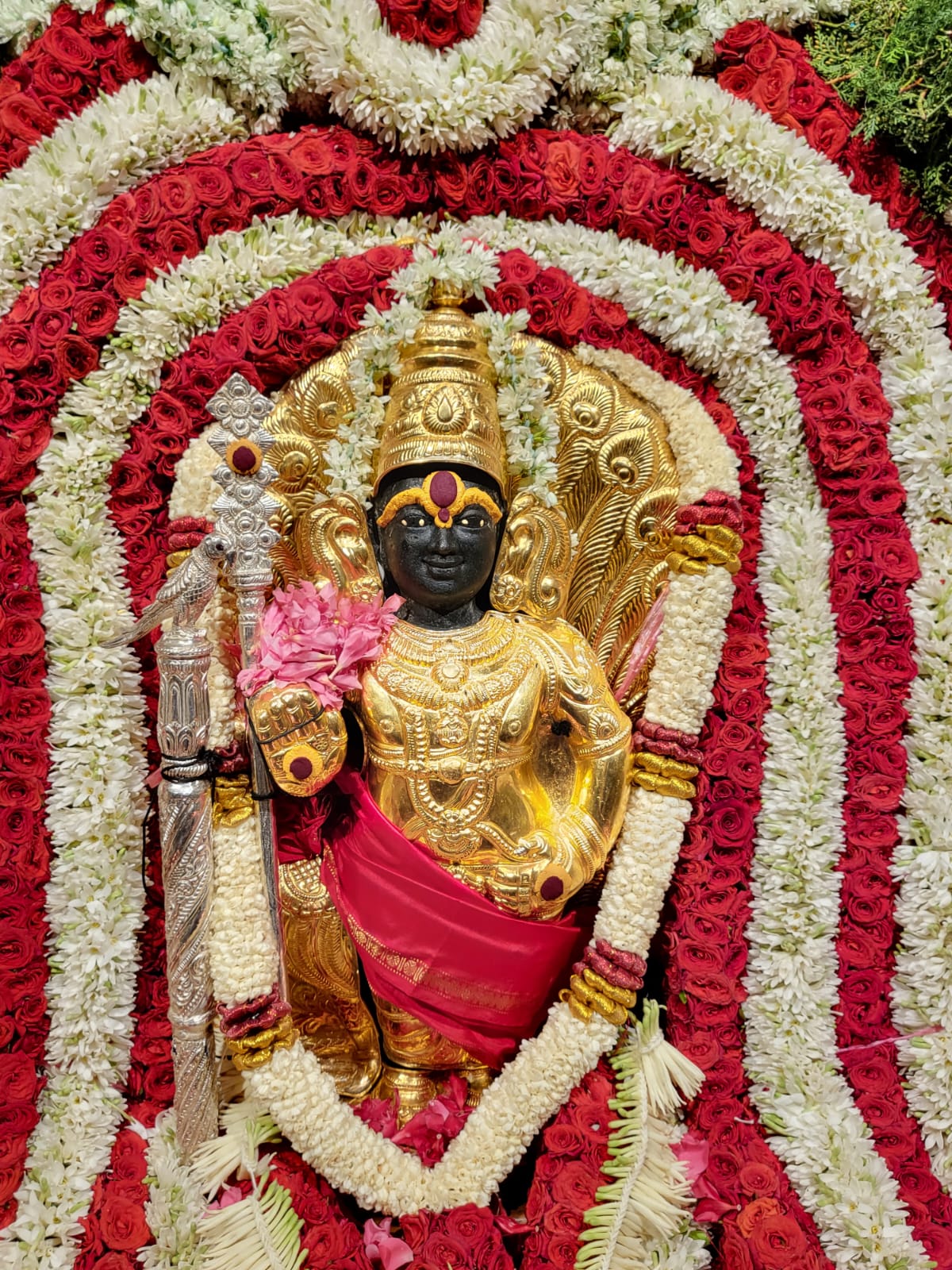
Murugan is worshipped as Balasubramaniar in the Temple, symbolising the youthful and divine aspect of the deity. Balasubramaniar is depicted as an eternal child radiating innocence, wisdom, and strength. He is also the divine warrior who defeats evil and the compassionate protector who guides his devotees toward righteousness.

Worshiping Balasubramaniar inspires devotees to embody qualities like courage, purity, and devotion while seeking his blessings for prosperity, protection, and enlightenment.

Vinayagar is worshipped as Kubera Vinayagar in the Temple. This form is a unique and auspicious form of Lord Ganesha that embodies both wisdom and wealth. This form combines the benevolent qualities of Lord Ganesha, the remover of obstacles, with the prosperity and abundance symbolized by Kubera, the god of wealth.

Devotees worship Kubera Vinayagar to seek blessings for success, financial stability, and overall well-being.

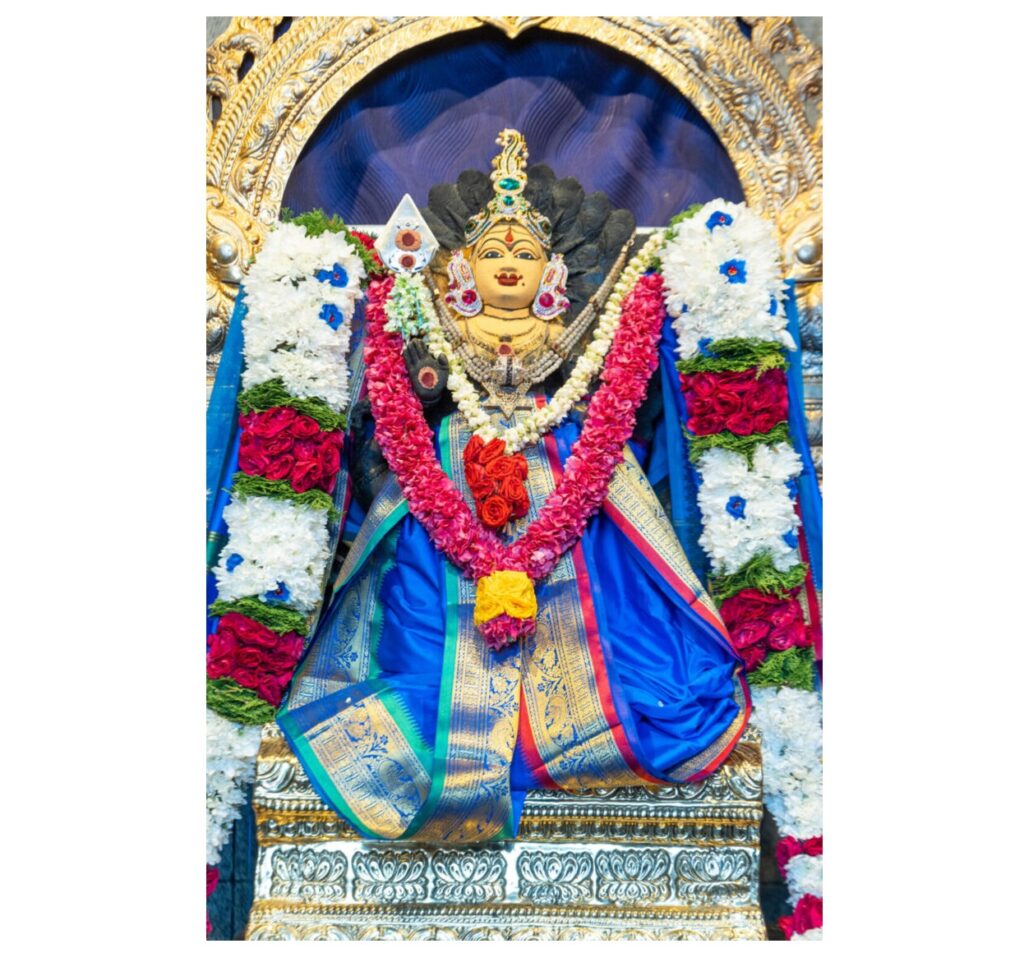
Mariamman is primarily worshipped in South India and among Tamil communities worldwide. She is revered as the goddess of rain, fertility, and protection against diseases, especially smallpox. Often depicted holding a trident, Mariamman is associated with powerful folk traditions and village rituals.

Devotees seek her blessings for health, prosperity, and relief from ailments, often offering pongal (sweet rice) and neem leaves during festivals dedicated to her.

Sivan is worshipped in the Lingam form in the Temple. This form embodies the union of Siva (the cosmic masculine energy) and Shakti (the cosmic feminine energy), symbolising the creation, preservation, and transformation of the universe.

The Sivalingam is often depicted as a cylindrical structure rising from a circular base, which represents infinity and the eternal nature of existence. It transcends anthropomorphic depictions, inviting devotees to connect with the formless and all-encompassing divine essence of Siva. The Lingam serves as a reminder of Siva’s infinite power and presence, inspiring reverence and a deeper connection with the divine.

The Temple also has an Aathmalingam sanctum to facilitate the conduct of prayers for ancestors.

Muneeswarar is a revered guardian deity, known for his fierce yet benevolent nature. He is considered a manifestation of Lord Shiva in his role as a protector of the vulnerable and a guide for those seeking strength and courage.

Muneswarar is commonly worshipped in South India and among Tamil communities worldwide and He is believed to protect his devotees from evil forces, ensure justice, and uphold dharma (righteousness).

Lord Ayyappan, also known as Manikandan, is worshipped predominantly in South India. He is considered the son of Lord Shiva and Mohini, the female incarnation of Lord Vishnu, symbolising the union of Shiva and Vishnu’s divine energies.

He is often depicted as a youthful ascetic seated in a yogic posture, symbolizing inner strength and spiritual enlightenment. His devotees chant “Swamiye Saranam Ayyappa” as a mark of reverence and surrender.

Widely regarded as the epitome of humility and selfless service, Aanjaneyar inspires devotees to face challenges with determination, faith, and grace. Temples dedicated to him often portray his majestic form, holding a mace and carrying a mountain—powerful symbols of his might and benevolence.

Fun Fact: Did you know the Aanjaneyar statue in the temple towers at an impressive 16 feet high? A breathtaking sight, it serves as a reminder of his towering strength and devotion.

Committee Members


President

E. Narainasamy

Vice President

Y. Ramalengam

Treasurer

N. Durai Nair

Secretary

D. Thanendran

Asst Treasurer

R. Anbalakan

Asst Secretary

S. Kirushnan

Committee Member

S.K. Bala

Committee Member

K.R. Papusamy

Committee Member

N. Prem

Committee Member

V. Sekar

Committee Member

S. Shivadasan

Committee Member

Rajagopal

Committee Member

S. Chandran

Committee Member

K. Devakaran

Committee Member

N. Malliah Reddy

Trustee

S.K. Pathmadas

Trustee

K.K. Velaayudhan

Trustee

M.V. Selvarajan
Product added to cart